

Mold inspection & testing · Atlanta & Gwinnett

Mold inspection that finds the mold and the moisture behind it.

Most inspectors stop at “yes, there’s mold.” Mark Clymore reads the structure to find why moisture is getting in, so whatever comes next fixes the cause instead of the symptom.

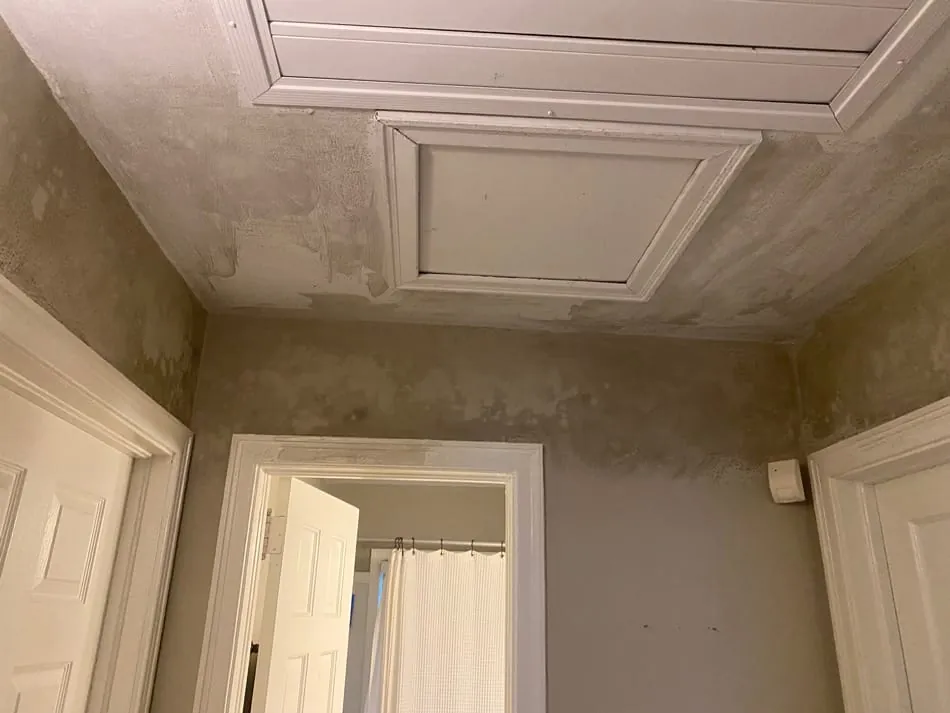
Hallway ceiling and walls covered in mold growth found during an inspection
Real Clymore job
What we check Every inspection
  • Visible growthMapped
  • Air & surfaceSampled
  • Moisture sourceTraced
  • Your reportHonest & clear
  • Since 1985a builder’s eye on every house
  • 55%the humidity where dormant mold wakes up
  • Air + surfacesampling to confirm type and level
  • 1× a yearinspection advised in Atlanta humidity

Why it matters

An inspection is only as good as the person reading the house.

With a construction and carpentry background dating to 1985, Mark doesn’t just swab for spores. He reads the structure to find why moisture is getting in, and gives you an honest picture of what you’re dealing with before anyone talks about remediation.

Clymore Mold inspects homes and businesses across Atlanta and Gwinnett County, including Sandy Springs, Johns Creek, Cobb and Fulton.
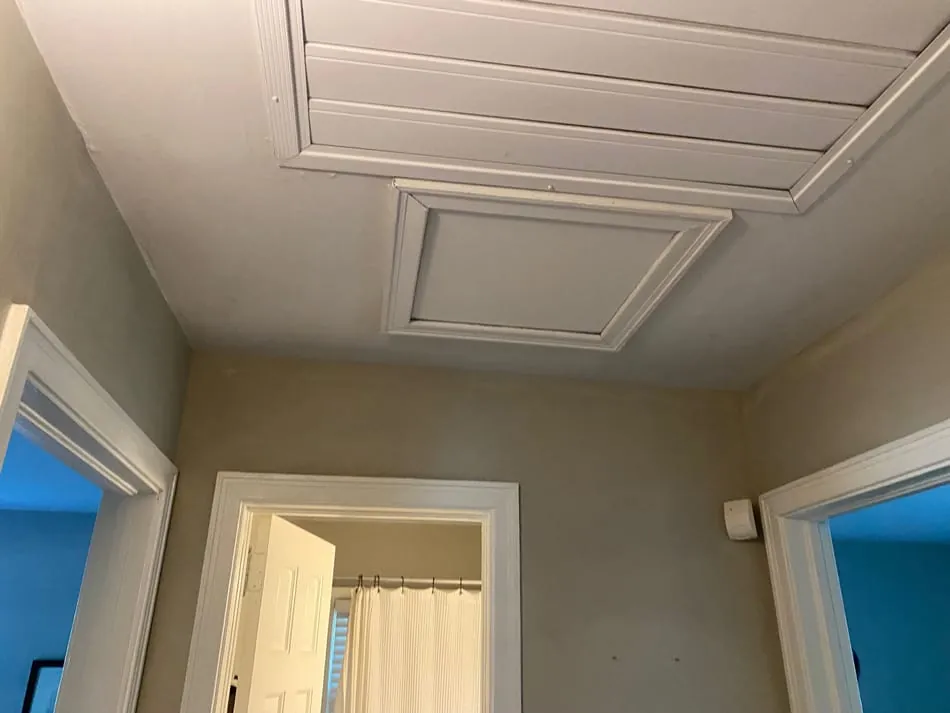
The same hallway ceiling clean after remediation
The same hallway after the moisture source was fixed and the mold removed.

The Clymore approach

We trace the moisture, not just the mold.

Mold only activates once humidity climbs past about 55%, and it comes right back if the source isn’t corrected. So Mark traces it: a roof or plumbing leak, poor drainage, an unconditioned crawl space.

  1. Walk the property

    Mark personally inspects the space and checks the hidden corners DIY checks miss.

  2. Measure moisture

    Moisture meters map where humidity is feeding growth.

  3. Sample air & surfaces

    Air and surface samples identify the type and concentration of mold.

  4. Report honestly

    You get a clear report of what’s there, what isn’t, and the source driving it.

Your health

Clean-looking isn’t the same as safe.

Airborne spores trigger allergies, asthma and respiratory irritation, especially in children and older adults. A proper inspection finds the hidden growth and the moisture driving it, so the air in your home is genuinely safe. Catching it early also keeps a small issue from turning into a costly one. Here’s what mold removal typically costs.

From our mold guide Mold inspection & assessment: what a proper inspection involves Read the guide

FAQ

Mold inspection questions.

Why is a professional mold inspection important?

A professional inspection finds not just the mold, but the moisture conditions feeding it, the part DIY checks miss. With a builder’s eye, Mark identifies the structural source so any remediation plan fixes the cause, not just the symptom.

How often should I have my property inspected for mold?

At least once a year is wise in Atlanta’s humid climate. Any time you notice musty odors, visible growth or recent water damage, schedule an inspection right away: mold can take hold fast once humidity climbs past 55%.

What happens after the mold inspection?

You get a detailed, honest report of what Mark found: the extent, the affected areas and the moisture source driving it. If remediation is needed, he’ll lay out a plan for your property and encourage you to compare quotes. If it isn’t, he’ll tell you that too.

Book an inspection

Find out what’s really going on before you spend a dollar on removal.

Tell us a little about the problem and Mark will get back to you, usually the same business day.

(404) 271-0651

Mon–Fri, 9am–6pm

Up to 5 photos, 8 MB each (30 MB total). They help Mark assess and quote faster.

No spam. We only use your info to contact you about your inspection. Privacy policy.

Call Book inspection